As this is my first blog with our literacy class, I will introduce myself!
My name is Jacob, and I am a Year One J/I Teaching Candidate at Brock University!
For our literacy task, we were tasked with developing a total of 4 blog posts for each strand of language: Media Studies, Reading, Writing, Oral Communication. The purpose of this portion of the blog is to provide the reader with insight into teaching the Media Studies strand.
Media Strand
In 1987, Ontario was the First Canadian Province to mandate media education.According to The Ontario Curriculum, Grades 1-8, Language [revised] 2006, “Media literacy is the result of study of the art and messaging of various forms of media texts." They can be formed into any aspect that communicates meaning to students, using utilities such as words, graphs, images etc. In the past, traditional literacy has focused on the context of written words. Media literacy aims to focus on the construction of meaning through expression beyond the context of words; through images, sounds, graphics, as well as word content. Media literacy engages students to explore mass media that is popular today, as students can identify with these lessons better because their interest is peaked.
Critical Thinking
Critical thinking is crucial to Media Studies. Being able to apply media formats and how they are constructed allows students to think critically and think intellectually. According to the Ontario Curriculum, students must be able to differentiate between fact and opinion; evaluate the credibility of sources; recognize bias; be attuned to discriminatory portrayals of individuals and groups, including women and minorities; and question depictions of violence and crime. I believe this is important, as in a real life perspective, students should be able to understand what is fiction and what is fact, and be able to understand the significance and be able to critically analyze what is being communicated to them through various media outlets.
Developing Skills
Developing skills to decipher enhanced media tech tools such as Internet and TV are especially important as these tools are a huge aspect of media representation in life today, and this can only be done through critical thinking. Further, communication with a range of information sources can enable students with more opportunities in learning, finding additional untapped markets of advantage and learning opportunity. To develop these skill, The Ontario Curriculum states that "students should have opportunities to view, analyze, and discuss a wide variety of media texts and relate them to their own experience." In order to do this, students should have the option of technology they use, and ideally with the financial resources available to school boards, this may be implemented. Teachers should provide their own guidance to develop media skills through using media tools in connection to various traditional curriculum assignments in order to facilitate to the learning needs of all students, and caution them on the dangers of not thinking critically when analyzing a media learning source.Overall Expectations
According to The Ontario Curriculum, the Media Literacy strand has four overall expectations: Students will:1. demonstrate an understanding of a variety of media texts;
2. identify some media forms and explain how the conventions and techniques associated with them are used to create meaning;
3. create a variety of media texts for different purposes and audiences, using appropriate forms, conventions, and techniques;
4. reflect on and identify their strengths, areas for improvement, and the strategies they found most helpful in understanding and creating media texts. This strand focuses on helping students develop the skills required to understand, create, and critically interpret media texts.
Concluding Thoughts
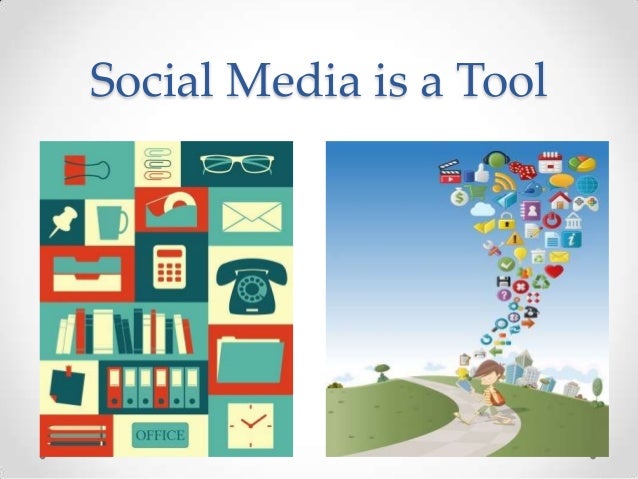
While specific expectations can be formed in media literacy, students do not have to be limited by these conventions of grade specified expectations. Rather, teachers should adapt (as always), and their teaching method should reflect the learning needs of their students.Social Media is all about connection
 |
| Image Source |
Until Next Time Fellow Education Bloggers!
Jacob B.
